Full Mouth Reconstruction in Ventura, California
One plan for the whole mouth.
Full mouth reconstruction is not a single procedure. It is a coordinated plan that combines several treatments to rebuild teeth that are worn, damaged or missing across both jaws, with attention to how your bite works as well as how your teeth look.
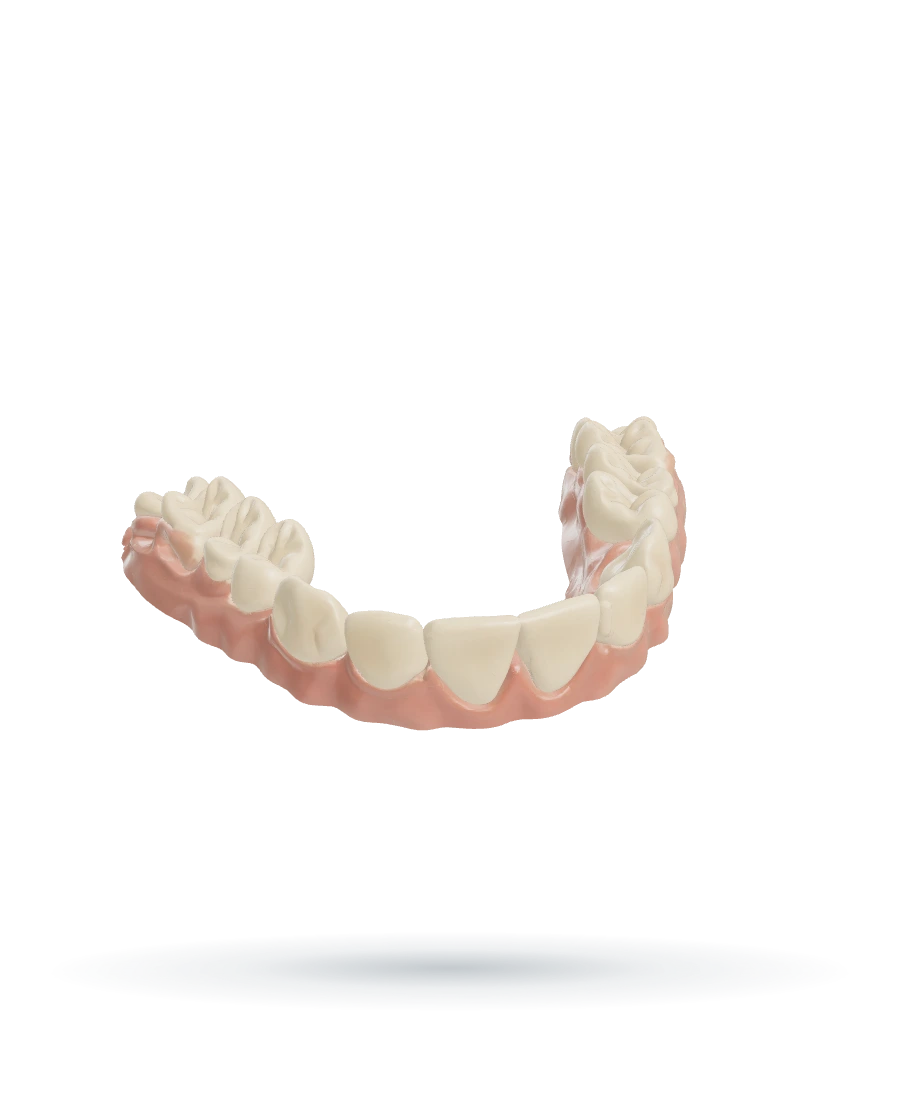
What it is
When many teeth are worn, broken, decayed or missing, treating them one at a time can leave the bite uneven. Full mouth reconstruction, also called full mouth rehabilitation, looks at the upper and lower teeth together. The aim is a mouth that is healthy, comfortable to chew with and consistent in appearance.
The plan is built from familiar treatments. Depending on what you need, it may include fillings, crowns, bridges, dental implants, dentures, root canal treatment, extractions and gum care. Cosmetic steps such as veneers or whitening are sometimes added toward the end. No two plans are the same.
Because of the amount of work involved, treatment is usually carried out in stages over a number of months, with healing time between them. At Dental Care of Ventura, general and cosmetic dentistry and periodontal care are provided in the same office, and implants are placed by Dr. Ori Levy, a board-certified periodontist.
Potential benefits
A coordinated plan
Planning all the work together helps each treatment support the next, instead of solving one problem and creating another.
A more balanced bite
Rebuilding worn or missing teeth with the bite in mind can spread chewing forces more evenly and may make eating more comfortable.
Healthier foundations
Treating decay and gum disease early in the plan gives crowns, bridges and implants a sounder base to rest on.
A consistent appearance
Restorations planned as a set can be matched in shape and shade, which can give a more even look across your smile.
Who may be a candidate
Reconstruction is usually considered when problems affect most of the teeth, not just one or two. A full examination is needed to know whether it is right for you.
- Many of your teeth are worn down, often from years of grinding or clenching.
- Several teeth are missing, broken or badly decayed.
- Enamel has been lost to acid erosion, or did not form normally.
- Your teeth have been damaged by an accident or injury.
- Your bite feels uneven or has changed as teeth have worn or been lost.
What treatment typically involves
Every plan is different, but the stages below are typical, and yours will be explained before any treatment begins.
Full examination
We examine your teeth, gums and bite, take X-rays and talk about what bothers you most and what you hope to change.
Your treatment plan
We set out the recommended treatments, their order and the alternatives, and go through the plan with you before any work begins.
Stabilizing your mouth
Gum disease and active decay are treated first. Teeth that cannot be saved are removed, and fillings or root canal treatment are completed.
Implants and healing
If implants or bone grafts are part of your plan, they are placed at this stage and given time to heal, typically several months.
Final restorations
Crowns, bridges, veneers or dentures are made and fitted. You may wear temporary restorations while the final ones are being made.
Bite check and maintenance
The bite is checked and adjusted so the teeth meet evenly. Regular checkups and cleanings then help protect the work.
Recovery and aftercare
Each stage of a reconstruction comes with its own instructions. These general points apply throughout.
- Follow the specific aftercare you are given after each procedure, since healing after an extraction or implant differs from settling in after a crown.
- Temporary restorations are less sturdy than final ones. Choose softer foods and avoid sticky or hard foods while you wear them.
- Keep each scheduled visit, because later stages often depend on earlier ones having healed.
- Tell us if your bite feels uneven or changes as new restorations are added, since small adjustments are often needed.
- Clean around crowns, bridges and any implants every day, using the cleaning aids your dental team recommends.
- Once treatment is complete, regular checkups and cleanings help find wear or problems early.
What affects the cost
We do not publish a price for full mouth reconstruction, because an honest figure depends on your own mouth. These are the things it depends on.
- Which treatments your plan includes and how many teeth are involved.
- The materials chosen for crowns, bridges and other restorations.
- Whether implants or bone grafts are part of the plan.
- Whether temporary restorations are needed between stages.
- What your dental insurance covers at each stage.
Questions to bring to your consultation
- Which problems need to be treated first, and which can wait?
- What treatments does my plan include, and what are the alternatives for each?
- How many visits and how many months is my plan likely to take?
- Will I have temporary teeth during treatment?
- Who will carry out each part of my treatment?
- What does the plan cost in total, and can it be done in phases?
Common questions
What is the difference between full mouth reconstruction and cosmetic dentistry?
Reconstruction is driven by health and function. It rebuilds teeth that are damaged, worn or missing so you can chew comfortably and keep your mouth healthy. Cosmetic dentistry focuses on how teeth look. The two often overlap, because restoring teeth usually improves their appearance, and cosmetic steps can be included in a reconstruction plan.
How long does full mouth reconstruction take?
It depends on what your plan includes. Treatment is usually staged over several months, and plans that involve implants or bone grafting take longer because bone needs time to heal. Some plans need fewer visits than others. You will be given an estimated timeline once your examination and planning are complete.
Can everything be done in one visit?
Usually not. Reconstruction involves several treatments, and some of them, such as gum treatment, extractions and implants, need healing time before the next stage. Working in stages also lets your dentist check how your mouth is responding and adjust the plan. Your consultation will cover how visits are likely to be grouped.
Will treatment hurt?
Procedures that could be uncomfortable are carried out with local anesthetic, so you should not feel sharp pain during them. Soreness, swelling or sensitivity afterward is common and varies with the type of treatment. Your dentist will explain what to expect at each stage and how to manage discomfort at home.
Do I have to replace crowns or fillings I already have?
Not necessarily. Existing restorations that fit well and sit on healthy teeth can often stay. Your dentist checks each one, including its edges, the tooth underneath and how it meets the opposing teeth, before recommending whether to keep or replace it.
How do I look after my teeth afterward?
Brush twice a day, clean between your teeth and around any implants daily, and keep regular checkups and cleanings. Avoid chewing ice and very hard foods, which can crack porcelain. If you grind your teeth, a night guard may be recommended to protect the new restorations.
Related care
- Dental CrownsA custom cap that covers a damaged or weakened tooth to restore its shape and strength.
- Dental ImplantsA titanium post that takes the place of a missing root and supports a custom crown, bridge or denture.
- Dental BridgesA fixed restoration that replaces missing teeth by anchoring artificial teeth to neighboring teeth or implants.
- DenturesRemovable full or partial dentures that replace several or all of your teeth.
- Cosmetic DentistryAn overview of the ways we can change the color, shape and alignment of your teeth, from whitening to veneers.
Further reading
All journal articles- How Implants and Crowns Can Support Full Mouth ReconstructionFull mouth reconstruction combines several restorative procedures into one coordinated plan. Dental implants replace missing teeth, and crowns protect weakened ones. Together they rebuild chewing function, bite balance, and appearance in a steady sequence.
- Cracked Tooth: Signs and Treatment OptionsPain when you bite or release can mean a cracked tooth. Learn the signs, the types of crack, how each is treated and what to do until you are seen.
- Crown or Filling: What Decides It?Crown or filling? It depends on how much healthy tooth is left. See what dentists consider, when each is used, the trade-offs and the questions to ask.
- Veneers, Bonding or Crowns: Which Fits?Bonding, porcelain veneers and crowns all change how a tooth looks, but they suit different problems. Compare what each involves and when it fits.
- What Happens During a Root CanalA step-by-step look at root canal treatment: why a tooth needs it, what happens in the chair, how it feels, recovery and why a crown often follows.
- When Do You Need a Dental Crown?A crown is recommended when a tooth is too weak or damaged for a filling. Learn the common reasons, the signs, the alternatives and what treatment involves.
Talk it through with a dentist.
Tell us what you would like to talk about and we will reply within one business day to arrange a time.