Scaling and Root Planing in Ventura, California
A deep cleaning for gums that need more.
Scaling and root planing, often called a deep cleaning, is the usual first treatment for gum disease. It removes plaque and tartar from below the gumline, where a routine cleaning does not reach, so that inflamed gums have a chance to heal.
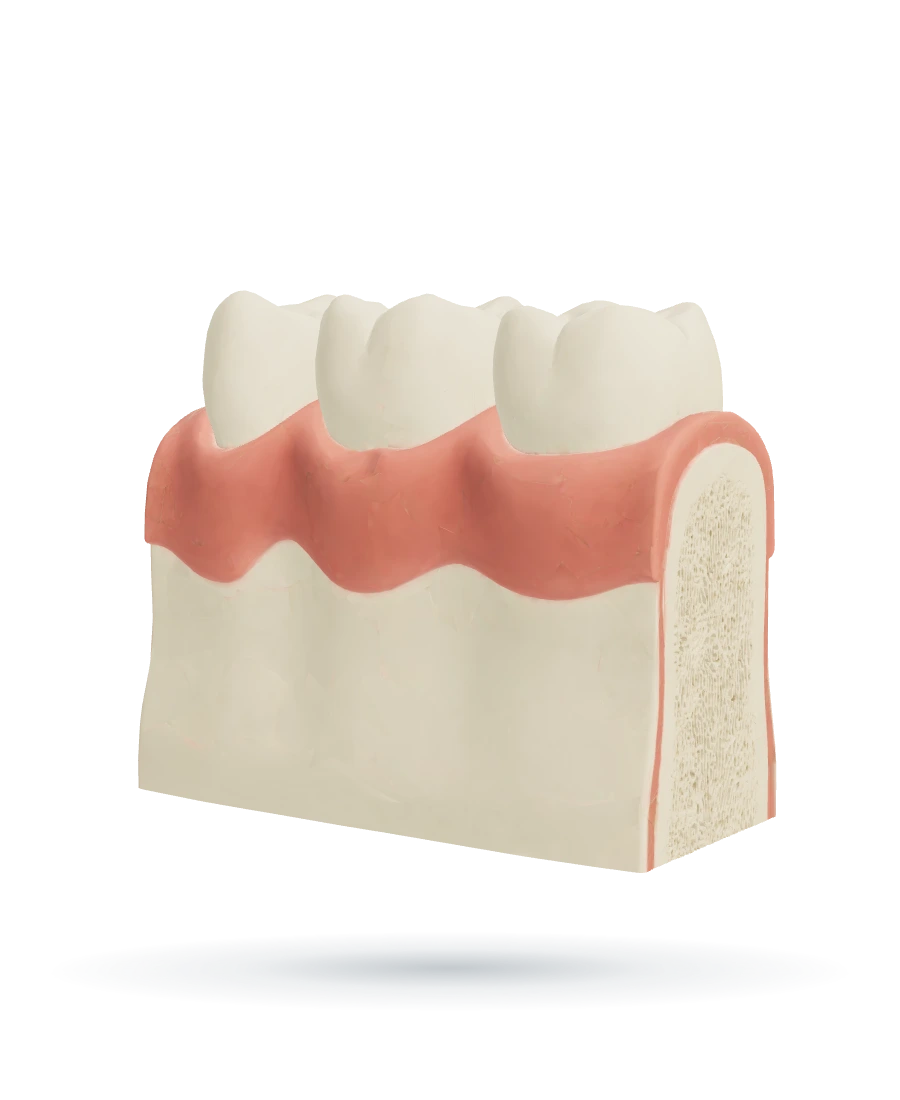
What it is
Gum disease starts with plaque, a film of bacteria that builds up along the gumline and can harden into tartar. The gums become inflamed and begin to pull away from the teeth, forming spaces called pockets. Bacteria collect in these pockets, out of reach of a toothbrush, and over time the bone that supports the teeth can be lost.
Scaling is the careful removal of plaque and tartar from the tooth surfaces, including the root surfaces inside the pockets. Root planing smooths the roots so that bacteria have a harder time reattaching and the gum can settle back against the tooth. The two are done together, usually with the area numbed.
This is a treatment, not a routine cleaning, and it is recommended only when an exam shows signs of gum disease. Dental Care of Ventura has both a general dentist, Dr. Tannaz Askari, and a board-certified periodontist, Dr. Ori Levy, so gum care can be planned in one office.
Potential benefits
Less inflammation and bleeding
With the deposits gone, gums often become firmer and less swollen, and bleeding when you brush or floss typically decreases.
Shallower gum pockets
As the gums heal they can tighten around the teeth, which may reduce pocket depth and make the area easier to keep clean.
Slows the disease
Treating gum disease early can help slow or halt the loss of bone and gum attachment that leads to loose teeth.
May avoid surgery
For many people, a deep cleaning followed by good home care is enough, and surgical treatment is not needed.
Who may be a candidate
Scaling and root planing is for people with signs of gum disease below the gumline. The diagnosis comes from an exam, gum measurements and X-rays, not from symptoms alone.
- Your gum measurements show pockets deeper than is healthy.
- Your gums bleed when you brush or floss, or look red and swollen.
- X-rays show tartar below the gumline or early bone loss.
- You have persistent bad breath, gum recession or teeth that have started to feel loose.
- Smoking and diabetes raise the risk of gum disease and can slow healing. Let us know so we can plan around them.
What treatment typically involves
Treatment is often done one section of the mouth at a time, over one or more visits.
Exam and measurements
Your dentist examines your gums, measures the pocket depth around each tooth and reviews X-rays to see how far the disease has progressed.
Numbing the area
Local anesthetic is often used to numb the section being treated, so the cleaning below the gumline is more comfortable.
Scaling the teeth
Plaque and tartar are removed from the teeth and from the root surfaces inside the pockets, using an ultrasonic scaler, hand instruments or both.
Planing the roots
The root surfaces are smoothed. The pockets may also be rinsed with an antimicrobial solution to reduce the bacteria that remain.
Healing at home
Gums can be tender for a few days, and teeth may be sensitive to cold. Gentle, thorough brushing and cleaning between teeth helps healing.
Re-evaluation and maintenance
After several weeks of healing, the gums are usually measured again. Most people then move to periodontal maintenance cleanings at an interval set for them.
Recovery and aftercare
Gums usually begin to settle within days, and your home care plays a large part in how they heal.
- Wait for the numbness to wear off before eating, and choose softer foods if your gums feel tender.
- Tenderness and sensitivity to cold are common for a few days. Pain relief as advised by your dentist can help.
- Keep brushing gently but thoroughly along the gumline and clean between your teeth daily, even if your gums bleed a little at first.
- Avoid smoking, which can slow gum healing and make gum disease harder to control.
- As swelling goes down, your gums may sit a little lower and your teeth may look slightly longer. This is often part of healing.
- Return for your re-evaluation and maintenance visits at the interval you are given.
What affects the cost
We do not publish a price for scaling and root planing, because an honest figure depends on your own mouth. These are the things it depends on.
- How many sections of the mouth need treatment.
- How deep the gum pockets are and how much tartar is below the gumline.
- Whether further visits or treatment are needed after the re-evaluation.
- The maintenance schedule recommended for you afterward.
- What your dental insurance covers.
Questions to bring to your consultation
- How deep are my gum pockets, and which areas are affected?
- Do I need a deep cleaning in my whole mouth or only some sections?
- How many visits will it take, and will I be numbed?
- What should I change in my home care to help my gums heal?
- How often will I need maintenance cleanings afterward?
- What happens if my gums do not respond to this treatment?
Common questions
How is a deep cleaning different from a regular cleaning?
A regular cleaning removes plaque and tartar from above and just at the gumline in a healthy mouth. A deep cleaning goes below the gumline to clean the root surfaces inside gum pockets. It treats existing gum disease, usually takes longer, is often done with numbing, and may be spread over more than one visit.
Does scaling and root planing hurt?
The area is usually numbed with local anesthetic, so most people feel pressure and vibration rather than pain. Afterward your gums may feel tender and your teeth may be sensitive to cold for a few days. Your dentist can suggest ways to ease this. Tell us during treatment if anything is uncomfortable.
How many appointments will I need?
It depends on how much of your mouth is affected and how deep the pockets are. Treatment is commonly divided into sections and completed over one to several visits, followed by a re-evaluation once the gums have healed. You will be given a plan for your own case at the consultation.
Will my gums go back to normal?
Gum inflammation often improves a great deal after treatment, and pockets can become shallower. Bone that has already been lost generally does not grow back on its own, and gums may sit a little lower once swelling goes down. The goal is to control the disease and keep it stable.
What if a deep cleaning is not enough?
At the re-evaluation, your gums are measured again. If some pockets remain deep or keep bleeding, further treatment may be recommended. This can include more frequent maintenance, a repeat cleaning of certain areas, or periodontal surgery such as osseous surgery, which is provided at our office by a board-certified periodontist.
Can gum disease come back?
Yes. Gum disease is managed over the long term more than it is cured. Plaque forms again every day, so careful home care and regular periodontal maintenance visits are what keep the results. Smoking and uncontrolled diabetes make a return more likely. Your dentist will recommend a maintenance schedule for you.
Related care
- Osseous SurgerySurgery that reduces deep gum pockets and reshapes damaged bone so advanced gum disease is easier to control.
- General DentistryExams, cleanings and preventive care that help find and treat dental problems while they are still small.
- Bone GraftingA procedure that adds bone or a bone substitute to the jaw, often to prepare for an implant.
- Dental ImplantsA titanium post that takes the place of a missing root and supports a custom crown, bridge or denture.
Further reading
All journal articles- Early Signs of Gum DiseaseBleeding, red or puffy gums and lasting bad breath can be early signs of gum disease. Learn what to look for, who is at risk and when to see a dentist.
- Deep Cleaning vs Regular CleaningA regular cleaning maintains healthy gums. A deep cleaning treats gum disease below the gumline. See how they differ and how a dentist decides between them.
- Gum Health and the Rest of Your BodyResearchers have observed links between gum disease and conditions such as diabetes and heart disease. Here is what is known, what is not and what to do.
- Receding Gums: Causes and TreatmentReceding gums expose the tooth root and do not grow back. Learn the common causes, how to keep recession from getting worse and which treatments may help.
- Why Do My Gums Bleed When I Brush?Gums usually bleed because plaque at the gumline has inflamed them. Learn the other causes, what to do at home and when bleeding needs a dental visit.
- The Benefits of Regular Periodontal CleaningMaintaining optimal oral health goes beyond brushing and flossing daily. Regular periodontal cleaning, a crucial component of preventive dental care, is…
Talk it through with a dentist.
Tell us what you would like to talk about and we will reply within one business day to arrange a time.