Periodontal Care in Ventura, California
Care for the gums and bone that hold your teeth.
Periodontal care is the treatment of the gums and the bone that hold your teeth in place. At Dental Care of Ventura it is led by Dr. Ori Levy, a board-certified periodontist, so gum treatment is provided in the same office as your regular dental care.
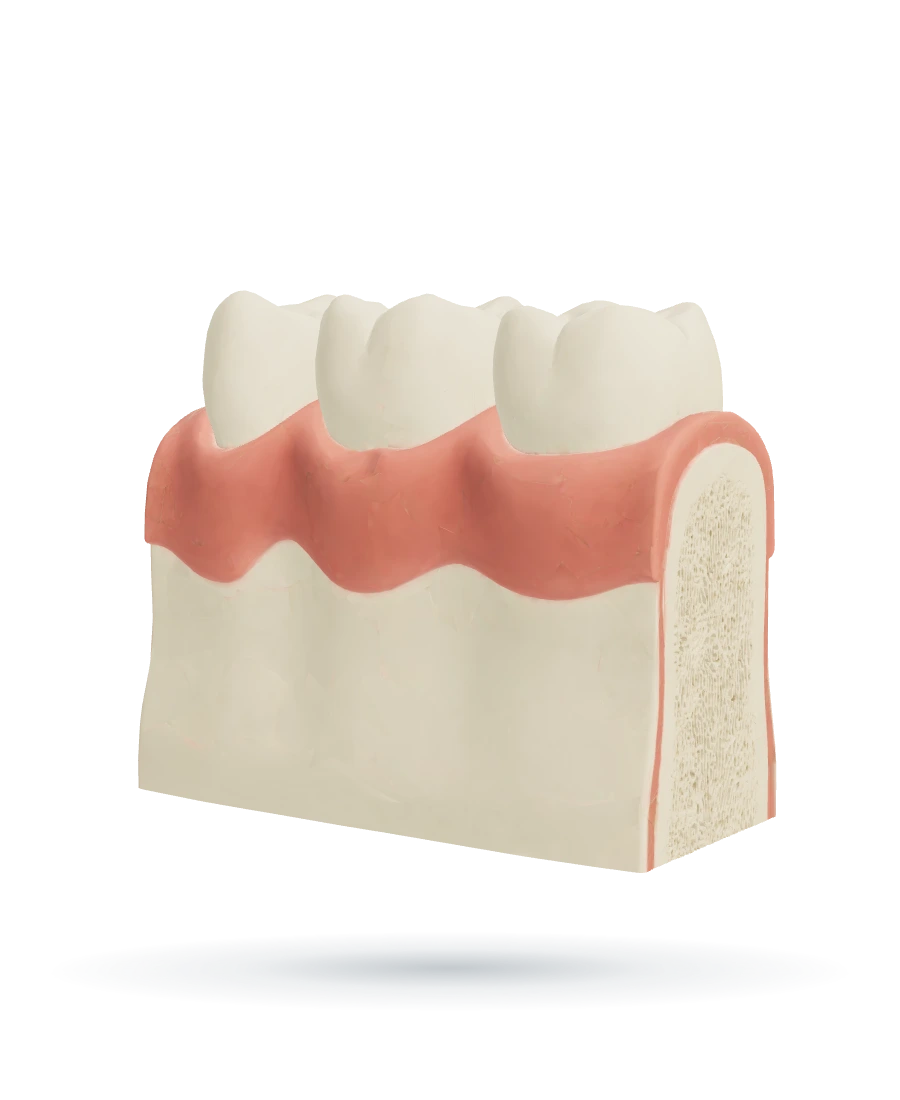
What it is
Gum disease begins quietly. Plaque, a film of bacteria, collects along the gumline and hardens into tartar. The gums become inflamed and may bleed when you brush. This early stage is called gingivitis, and with professional cleaning and good home care it can usually be reversed.
Left alone, the inflammation can spread below the gumline. The gums pull away from the teeth and form pockets, and the bone that supports the teeth begins to be lost. This stage is called periodontitis. The damage it does is largely permanent, but the disease can usually be brought under control, and treatment is simpler the earlier it starts.
Treatment is matched to how far the disease has gone. A deep cleaning, called scaling and root planing, is the usual first step. Where deep pockets remain, osseous surgery reduces them so they can be kept clean. Bone grafting can rebuild lost bone in some situations, often to prepare for a dental implant. Dr. Ori Levy is a Diplomate of the American Board of Periodontology and provides this care at our Ventura office.
Potential benefits
Healthier gums
Removing the bacteria that cause inflammation gives gums the chance to become firmer and to bleed less.
Keeping your teeth
Gum disease is a leading cause of tooth loss in adults. Controlling it helps protect the support your teeth depend on.
A sound foundation
Crowns, bridges and implants all rely on healthy gums and bone. Treating gum disease first helps other dental work last.
A specialist in the office
Because a periodontist is part of the practice, gum treatment and your regular dental care happen under one roof.
Who may be a candidate
Gum disease is often painless, so it is usually found at a dental exam, when the depth of the gum pockets is measured. These are common reasons to have your gums checked.
- Your gums bleed when you brush or floss, or look red or swollen.
- Your gums have pulled back, so your teeth look longer than they used to.
- You have bad breath that does not go away, or teeth that feel loose.
- An exam has found deep gum pockets, or X-rays show bone loss.
- You smoke or have diabetes. Both raise the risk of gum disease and can affect how it responds to treatment.
What treatment typically involves
Gum care is long-term care. Treatment brings the disease under control, and regular visits help keep it there.
Gum examination
The depth of the pockets around each tooth is measured, and X-rays show the level of the bone. Together they show whether gum disease is present and how advanced it is.
Explaining what we find
We show you where the problem areas are and what the measurements mean, then set out the treatment options.
Deep cleaning
Scaling and root planing removes plaque and tartar from below the gumline, usually with the area numbed. For many people this is the main treatment.
Checking the response
After the gums have had time to heal, the pockets are measured again to see how they have responded.
Further treatment if needed
Where deep pockets remain, osseous surgery or bone grafting may be recommended. Each is explained before you decide.
Maintenance
Gum disease can return. Regular cleanings and checks, at an interval suited to you, help keep it under control.
What affects the cost
We do not publish a price for periodontal care, because an honest figure depends on your own mouth. These are the things it depends on.
- How advanced the gum disease is.
- How many areas of the mouth need treatment.
- Which treatments are needed, such as deep cleaning, surgery or bone grafting.
- How often you need maintenance visits afterward.
- What your dental insurance covers.
Questions to bring to your consultation
- Do I have gum disease, and how advanced is it?
- Which treatment do you recommend first, and why?
- What is likely to happen if I wait?
- Will I need surgery, or could a deep cleaning be enough?
- How often will I need cleanings after treatment?
- What does the full cost include, and is any part of it likely to be covered by insurance?
Common questions
What is a periodontist?
A periodontist is a dentist with additional specialty training in the gums and the bone that support the teeth, and in placing dental implants. Dr. Ori Levy, DDS, is a board-certified periodontist and a Diplomate of the American Board of Periodontology.
What are the signs of gum disease?
Common signs are gums that bleed when you brush or floss, red or swollen gums, bad breath that does not go away, gums that have pulled back from the teeth, and teeth that feel loose. Gum disease is often painless, so it can be present without obvious signs. A gum examination is the way to know.
Can gum disease be cured?
The early stage, gingivitis, can usually be reversed with professional cleaning and good home care. The later stage, periodontitis, causes loss of bone that does not grow back on its own. It can usually be brought under control and kept stable with treatment and regular maintenance.
Is gum disease treatment painful?
Deep cleaning and gum surgery are normally done with the area numbed. Some soreness or sensitivity afterwards is common. We explain what to expect and how to look after the area before you leave, and you can call the office with any concerns while you heal.
How much does gum disease treatment cost?
Cost depends on how advanced the disease is, how many areas of the mouth need treatment and which treatments are used. Because these vary so much from person to person, a figure given without an examination would not mean much. Your cost is confirmed after your gum examination, once the options have been discussed.
Who provides periodontal care at Dental Care of Ventura?
Periodontal care is provided by Dr. Ori Levy, DDS, a board-certified periodontist. Dr. Levy received his DDS from the University of California, Los Angeles, completed his specialty training in periodontics at the Greater Los Angeles Veterans Affairs Healthcare System, and became a Diplomate of the American Board of Periodontology in 2009.
Related care
- Scaling and Root PlaningA non-surgical deep cleaning that removes plaque and tartar from below the gumline to treat gum disease.
- Osseous SurgerySurgery that reduces deep gum pockets and reshapes damaged bone so advanced gum disease is easier to control.
- Bone GraftingA procedure that adds bone or a bone substitute to the jaw, often to prepare for an implant.
- Dental ImplantsA titanium post that takes the place of a missing root and supports a custom crown, bridge or denture.
- General DentistryExams, cleanings and preventive care that help find and treat dental problems while they are still small.
Further reading
All journal articles- Early Signs of Gum DiseaseBleeding, red or puffy gums and lasting bad breath can be early signs of gum disease. Learn what to look for, who is at risk and when to see a dentist.
- Deep Cleaning vs Regular CleaningA regular cleaning maintains healthy gums. A deep cleaning treats gum disease below the gumline. See how they differ and how a dentist decides between them.
- Gum Health and the Rest of Your BodyResearchers have observed links between gum disease and conditions such as diabetes and heart disease. Here is what is known, what is not and what to do.
- Receding Gums: Causes and TreatmentReceding gums expose the tooth root and do not grow back. Learn the common causes, how to keep recession from getting worse and which treatments may help.
- What Does a Periodontist Do?A periodontist is a dentist with extra training in the gums and bone that support teeth. Learn what they treat, when you may be referred and what to expect.
- Why Do My Gums Bleed When I Brush?Gums usually bleed because plaque at the gumline has inflamed them. Learn the other causes, what to do at home and when bleeding needs a dental visit.
Talk it through with a dentist.
Tell us what you would like to talk about and we will reply within one business day to arrange a time.