Tooth Extractions in Ventura, California
Removing a tooth only when it is needed.
Keeping a natural tooth is usually the first choice. When a tooth is too damaged, decayed or infected to repair, removing it can protect the rest of your mouth. Dr. Tannaz Askari will explain why an extraction is recommended and what happens next.
What it is
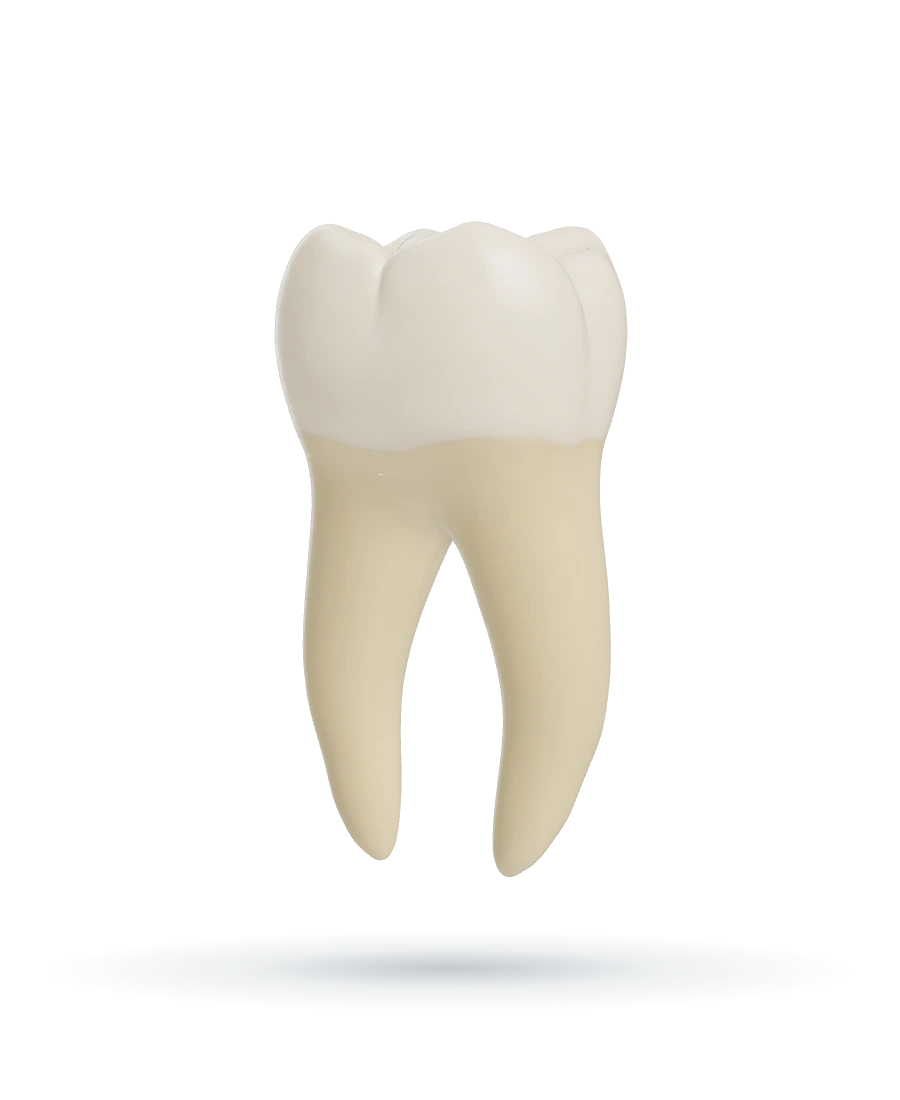
An extraction is the removal of a whole tooth, crown and root, from its socket in the jawbone. It is usually considered after options that keep the tooth, such as a filling, crown or root canal, have been ruled out. Common reasons include severe decay, a fracture below the gumline, advanced gum disease and infection.
Many teeth can be removed in a simple extraction, where the tooth is loosened and lifted out in one piece. A tooth that is broken, has curved roots or has not fully come through the gum may need a surgical extraction. This involves a small opening in the gum and sometimes removing the tooth in sections.
An extraction is also the start of a decision about the space. Before the tooth comes out, we will talk with you about whether and how to replace it. In some cases a bone graft is placed in the socket at the same visit to help preserve the shape of the jaw for a future implant.
Potential benefits
Relief from a problem tooth
Removing a tooth that is badly infected or broken often relieves the pain it was causing once the area has healed.
Removes a source of infection
Taking out a tooth that cannot be treated can help keep infection from spreading to the gum, bone and neighboring teeth.
Clears the way for replacement
Once the site has healed, the space can be restored with an implant, a bridge or a denture, depending on your situation.
Who may be a candidate
An extraction is recommended only after an exam and X-rays show that a tooth cannot reasonably be repaired, or that keeping it would put other teeth at risk.
- The tooth has decay or a fracture too extensive for a filling, crown or root canal to fix.
- There is an infection that cannot be resolved by treating the tooth.
- Gum disease has left the tooth loose, with little bone supporting it.
- A tooth is impacted, meaning it is stuck under the gum or against another tooth, and is causing problems.
- Tell us about blood thinners, osteoporosis medications, heart conditions and diabetes. They can change how an extraction is planned.
What treatment typically involves
These steps describe a typical extraction, and a surgical extraction adds a few more.
Exam and X-rays
We examine the tooth, take X-rays to see the roots and bone, review your medical history and discuss options for the space.
Numbing the area
A numbing gel is applied to the gum, then local anesthetic is injected. We check that the area is fully numb before starting.
Removing the tooth
The tooth is gently loosened and lifted from its socket. You can expect to feel pressure and movement, but you should not feel sharp pain.
Protecting the socket
The site is cleaned and, if planned, a bone graft is placed. Stitches may be used. You bite on gauze so a blood clot can form.
Healing at home
You go home with aftercare instructions. Rest, soft foods and leaving the blood clot undisturbed matter most in the first few days.
Follow-up and replacement
Healing is checked at a follow-up visit where needed. When the site is ready, we move ahead with any plan to replace the tooth.
Recovery and aftercare
Follow the instructions you are given on the day. These general points cover the first days of healing.
- Keep gentle, firm pressure on the gauze for as long as you are told. Some oozing for the rest of the day is common.
- Rest for the remainder of the day and avoid strenuous exercise for the first day or two, as advised.
- For the first few days, do not smoke or use a straw, and avoid spitting forcefully. This helps keep the blood clot in place.
- Choose soft, lukewarm foods and chew on the other side. Return to your usual diet gradually as the area feels more comfortable.
- Swelling often peaks after a day or two. A cold pack on the cheek, used as directed, and pain relief as advised by your dentist can help.
- Keep brushing your other teeth, taking care near the socket. Your dentist will tell you when and how to start rinsing the area gently.
What affects the cost
We do not publish a price for tooth extractions, because an honest figure depends on your own mouth. These are the things it depends on.
- Whether the extraction is simple or surgical.
- How many teeth are removed.
- Whether a bone graft is placed in the socket at the same visit.
- Whether X-rays or other treatment are needed before the extraction.
- What your dental insurance covers.
Questions to bring to your consultation
- Is there any way to save this tooth, and what are the trade-offs?
- Will this be a simple or a surgical extraction?
- What options do I have for comfort during the procedure?
- Should the tooth be replaced, and with what?
- Would a bone graft at the time of extraction help in my case?
- Do any of my medications or health conditions change the plan?
Common questions
Does a tooth extraction hurt?
The area is numbed with local anesthetic, so you should feel pressure and movement rather than pain while the tooth is removed. Soreness afterward is normal for a few days and is usually managed with medication your dentist recommends. If you are anxious about the procedure, tell us at the consultation so we can talk through your options.
How long does it take to recover?
Most people feel noticeably better within a few days, though this varies with the tooth and the type of extraction. The gum typically closes over the following weeks, and the bone underneath takes longer to fill in. Surgical extractions often involve more swelling and a slower start. Your dentist will tell you what to expect in your case.
What should I do after an extraction?
Follow the instructions you are given. In general, bite on gauze as directed, rest for the day and eat soft foods. Avoid smoking, drinking through a straw, and vigorous rinsing or spitting while the socket begins to heal, because these can dislodge the blood clot. Brush your other teeth as usual.
What is a dry socket?
A dry socket happens when the blood clot in the socket is lost or does not form, leaving the bone exposed. It can cause throbbing pain that starts a few days after the extraction. It is treatable. Call the office if pain gets worse instead of better, or if you notice a bad taste or smell.
Do I have to replace the tooth?
Not always. Wisdom teeth are generally not replaced. For other teeth, a gap can allow neighboring teeth to drift and can affect chewing, and the bone in the area tends to shrink over time. Implants, bridges and dentures are the usual options. Which one suits you, if any, is discussed before the extraction.
When should I call the office after an extraction?
Call if bleeding does not slow with firm pressure on gauze, if pain or swelling gets worse after the first two or three days, if you develop a fever, or if numbness does not go away. If you have trouble breathing or swallowing, seek emergency care right away.
Related care
- Dental ImplantsA titanium post that takes the place of a missing root and supports a custom crown, bridge or denture.
- Bone GraftingA procedure that adds bone or a bone substitute to the jaw, often to prepare for an implant.
- Dental BridgesA fixed restoration that replaces missing teeth by anchoring artificial teeth to neighboring teeth or implants.
- DenturesRemovable full or partial dentures that replace several or all of your teeth.
- Root CanalsTreatment that removes inflamed or infected pulp from inside a tooth, then seals it so the tooth can stay.
Further reading
All journal articles- Tooth Extraction Recovery: What to ExpectGeneral aftercare for a tooth extraction: protecting the blood clot, what to avoid, what is normal, the signs of dry socket or infection and when to call.
- Toothache: What to Do and When to CallWhat to do for a toothache at home, what not to do, the signs that mean same-day care or the emergency room, and how dentists treat the common causes.
- Dental Implants vs Dentures: How to ChooseMissing several or all of your teeth? Compare implants and dentures: how each feels, what it needs from your jaw and health, upkeep, time and cost.
- How Much Do Dental Implants Cost in Ventura?Why we give no price for a dental implant without an exam, what a treatment includes, what changes the cost, and how to compare quotes like for like.
- Your First Dental Implant ConsultationWhat happens at a first dental implant consultation: what to bring, the health questions, the exam and X-rays, how suitability is judged, and what comes next.
- Dental Implant or Bridge: How to ChooseMissing one tooth? Compare a dental implant with a bridge: what each involves, how long treatment takes, how you care for it, and what to ask your dentist.
Talk it through with a dentist.
Tell us what you would like to talk about and we will reply within one business day to arrange a time.