Teeth Whitening in Ventura, California
A lighter shade, supervised by your dentist.
Professional whitening uses a peroxide gel to lighten stains in natural teeth. At our Ventura office it is carried out in the chair under the care of Dr. Tannaz Askari, after an examination to make sure whitening is suitable for you.
What it is
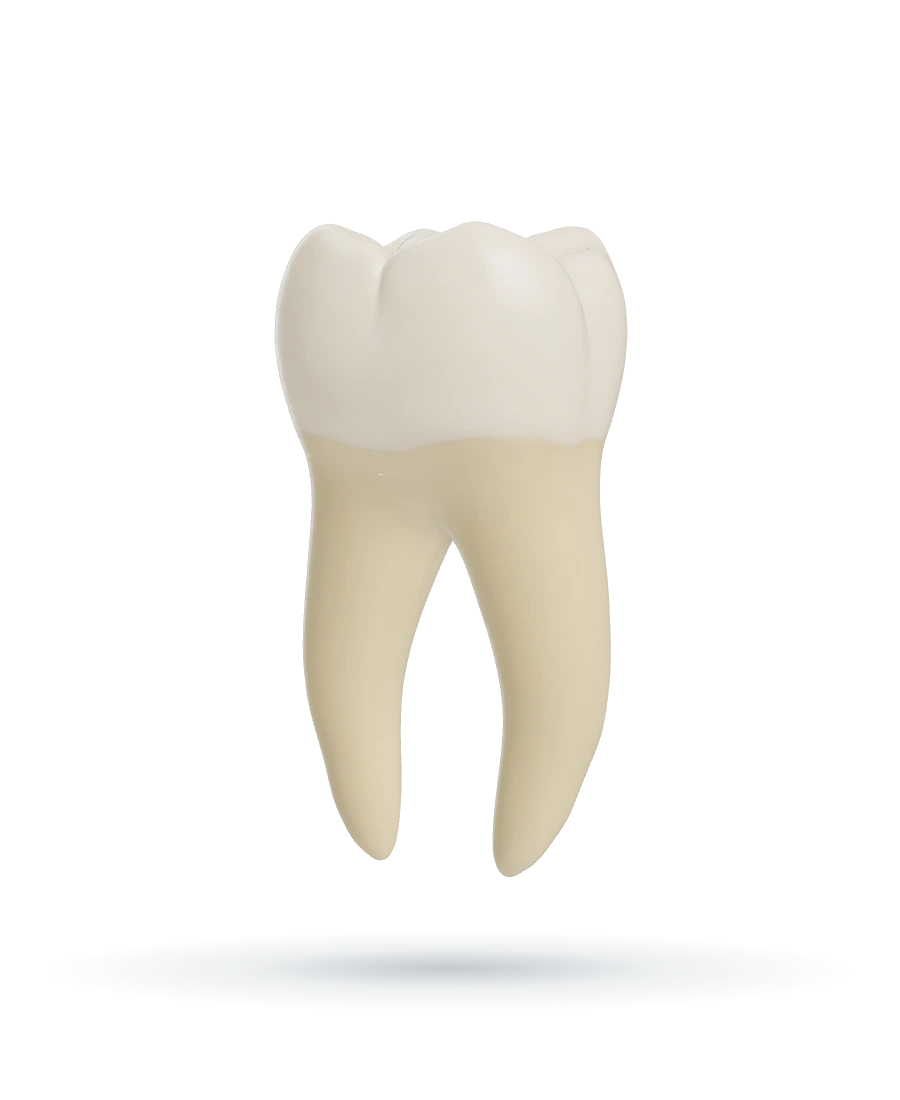
Teeth darken for two broad reasons. Surface stains build up from coffee, tea, red wine and tobacco. Deeper color changes come with age, as enamel thins and the yellower dentin beneath shows through, or follow an injury or certain medications. Whitening gel contains peroxide, which passes into the tooth and breaks down the compounds that cause discoloration.
How much lighter teeth become varies from person to person. Yellowish staining tends to respond well. Gray or brown discoloration, and color changes that come from inside the tooth, often respond less. Whitening works only on natural tooth structure. Crowns, veneers, fillings and bonding stay the color they are, which can matter if they show when you smile.
In-office whitening at Dental Care of Ventura has been offered under the Zoom name. The gel is stronger than the kind sold in stores, so your gums are shielded and the treatment is supervised throughout. Dr. Askari checks your teeth first and will tell you if another approach is likely to suit you better.
Potential benefits
Often a single visit
In-office whitening is usually completed in one appointment, so any change in shade is visible the same day.
Checked by a dentist
An examination beforehand can find cavities, gum problems or existing dental work that would affect whitening or make it uncomfortable.
Gums are protected
A barrier is placed over your gums before the gel goes on, which limits contact between the peroxide and soft tissue.
No change to tooth shape
Whitening lightens color without removing enamel, which makes it a conservative first step before veneers or crowns are considered.
Who may be a candidate
Whitening suits many adults whose natural teeth have yellowed or stained. It is not right for everyone, so an examination comes first to check your teeth, gums and existing dental work.
- Your natural teeth are stained from food, drink or tobacco, or have yellowed with age.
- Your teeth and gums are healthy, with no untreated cavities or gum disease.
- You have few or no crowns, veneers or fillings on your front teeth, or you understand they will not change color.
- Your teeth are not already very sensitive. If they are, tell us so we can plan for it.
- You are not pregnant or nursing. Whitening is usually postponed during these times as a precaution.
What treatment typically involves
The steps below describe a typical in-office whitening visit.
Examination and shade
We check your teeth and gums, note any crowns or fillings that will not lighten, and record your starting shade for comparison.
Cleaning if needed
Plaque and tartar can get in the way of the gel. If there is buildup, a cleaning may be recommended before your whitening visit.
Protecting gums and lips
Your lips and cheeks are held gently away from your teeth, and a protective barrier is applied along the gum line.
Applying the gel
Peroxide gel is spread over the front teeth and left to work in several short rounds. A light may be used with it. The gel is refreshed between rounds.
Finishing the visit
The gel and barrier are removed and your new shade is compared with the starting one. A fluoride gel may be applied to help with sensitivity.
The first few days
Teeth can be sensitive for a day or two. Avoiding dark drinks, strongly colored foods and tobacco at first can help protect the new shade.
Recovery and aftercare
Teeth can pick up stains more easily and feel more sensitive for the first day or two after whitening.
- For the first day or two, limit coffee, tea, red wine, dark sauces and other strongly colored foods and drinks where you can.
- Avoid tobacco after treatment, as it can bring staining back sooner.
- Sensitivity to cold or brief twinges usually fade within a few days. A toothpaste for sensitive teeth may help, if your dentist suggests one.
- Tell us if sensitivity is severe or does not settle, or if your gums stay sore or irritated.
- Brush twice a day and keep up regular cleanings. Removing surface stains can help the new shade hold for longer.
- Ask before using store-bought whitening products afterward. Overuse can make sensitivity worse, and your dentist can advise when a touch-up makes sense.
What affects the cost
We do not publish a price for teeth whitening, because an honest figure depends on your own mouth. These are the things it depends on.
- Whether a cleaning or other treatment, such as filling a cavity, is needed first.
- Whether more than one session is needed to reach the shade you want.
- Whether crowns, veneers or fillings may need replacing afterward to match the new shade.
- What your dental insurance covers, if anything.
Questions to bring to your consultation
- Is whitening likely to work on the kind of staining I have?
- Will my crowns, veneers or fillings stand out afterward?
- What can be done about sensitivity during and after treatment?
- How long is the appointment likely to take?
- How should I look after my teeth to keep the shade?
- If whitening will not help, what are my other options?
Common questions
Does teeth whitening damage enamel?
When it is carried out as directed and supervised by a dentist, peroxide whitening is widely regarded as safe for enamel. It does not remove tooth structure. The most common side effects are temporary: sensitivity to hot and cold, and mild gum irritation. Overusing whitening products can make these worse, so follow the advice you are given.
Will whitening make my teeth sensitive?
It can. Many people notice some sensitivity to cold or brief twinges during or after whitening. This usually settles within a few days. Tell us beforehand if your teeth are already sensitive. Steps such as a desensitizing toothpaste before and after treatment may help, and the session can be shortened if you are uncomfortable.
How long does whitening last?
Whitening is not permanent. How long the shade holds depends largely on what your teeth are exposed to. Coffee, tea, red wine and tobacco bring stains back sooner. For some people the result lasts a few months, for others a few years. Regular cleanings help, and whitening can be repeated when your dentist agrees it is appropriate.
Will whitening change my crowns, veneers or fillings?
No. Whitening gel only lightens natural tooth structure. Crowns, veneers, bonding and tooth-colored fillings keep their existing color, so they may look darker beside newly whitened teeth. If you have visible dental work, we will talk about this first. Sometimes a restoration is replaced after whitening to match the new shade.
Does whitening work on all stains?
No. Yellowish stains from food, drink, tobacco and aging usually respond well. Gray or brown discoloration, white spots, and darkening from an injury, a past root canal or certain medications often respond poorly or unevenly. In those cases other options, such as a veneer or crown, may be discussed after your examination.
How is in-office whitening different from store-bought products?
Store-bought strips and gels use a lower concentration of peroxide and are applied without an examination. In-office whitening uses a stronger gel, with your gums protected and a dental team watching throughout. It also starts with a check for cavities, gum problems and existing dental work, any of which can change whether whitening is a good idea.
Related care
- Cosmetic DentistryAn overview of the ways we can change the color, shape and alignment of your teeth, from whitening to veneers.
- Porcelain VeneersThin porcelain shells bonded to the front of teeth to change their color, shape or spacing.
- Invisalign and Clear AlignersA series of clear, removable trays that gradually move teeth into straighter positions.
- General DentistryExams, cleanings and preventive care that help find and treat dental problems while they are still small.
Further reading
All journal articles- How Long Does Teeth Whitening Last?Teeth whitening is not permanent. Learn how long results commonly last, what makes them fade faster, how touch-ups work and what whitening cannot change.
- Professional vs Store-Bought Teeth WhiteningHow whitening from a dentist differs from strips, trays and toothpastes: strength, speed, sensitivity, safety, and how to tell which suits your teeth.
- Why Teeth Change Color and What HelpsTeeth darken from surface stains, age, injury, medicines and dental work. Learn how to tell the causes apart, what helps each, and when to see a dentist.
- Porcelain Veneers: Cost and How Long They LastHow long porcelain veneers last, what wears them out and what helps, plus what the cost of veneers depends on and how to compare quotes fairly.
- How to Choose a Dentist in VenturaA checklist for choosing a dentist in Ventura: licensing, range of care, how options are explained, practical matters, emergencies and reviews.
- Porcelain Veneers: What to Know Before You DecidePorcelain veneers can change the color and shape of front teeth, but enamel is removed and the step is permanent. What to weigh before you decide.
Talk it through with a dentist.
Tell us what you would like to talk about and we will reply within one business day to arrange a time.