Dental Bonding in Ventura, California
Small changes, built directly on the tooth.
Dental bonding uses tooth-colored composite resin, shaped directly on the tooth, to repair a chip, close a small gap or change the outline of a tooth. At our Ventura office, your dentist will examine the tooth and your bite and explain whether bonding suits it.
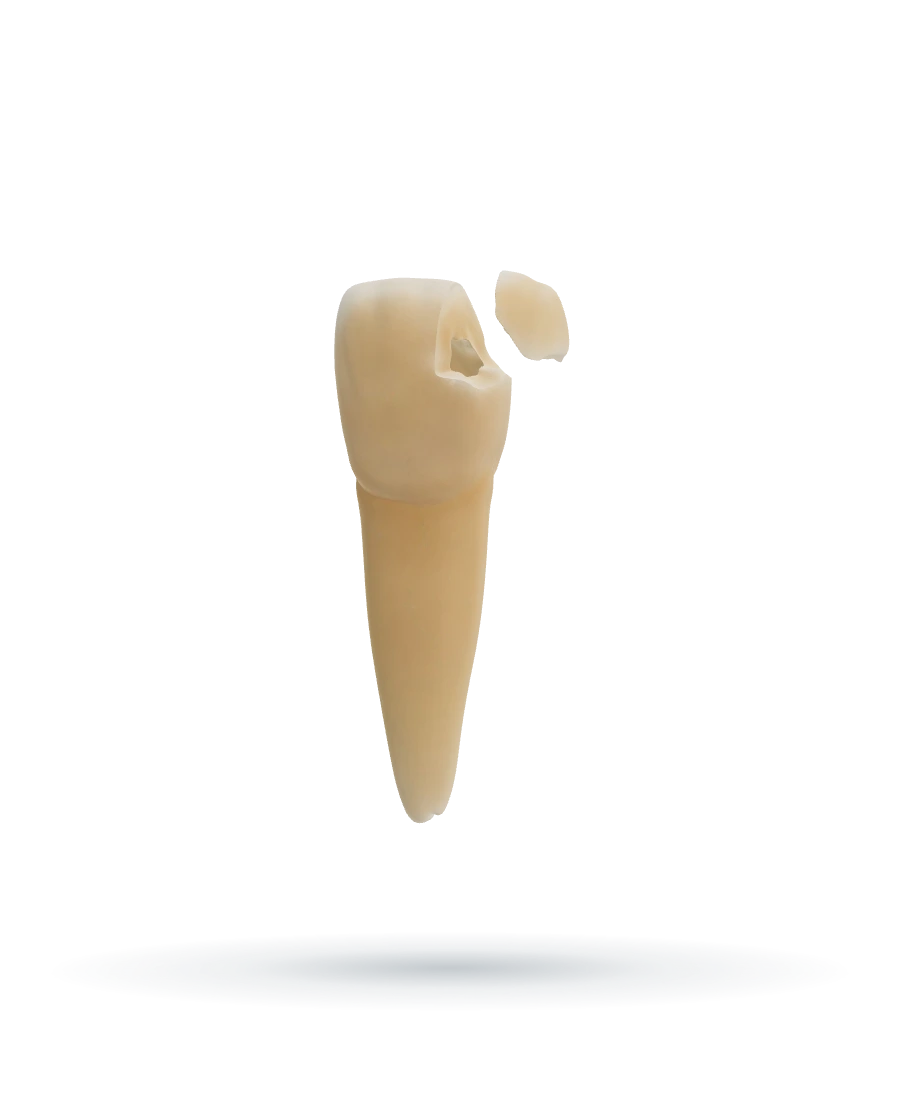
What it is
Bonding adds to a tooth rather than covering it. A tooth-colored composite resin, the same family of material used for white fillings, is applied to the tooth in thin layers, sculpted into shape and hardened with a curing light. It is then trimmed and polished so it blends with the enamel around it.
It is often used for small cosmetic changes: repairing a chipped or worn edge, closing a narrow gap between front teeth, evening out a tooth that is shorter or a different shape from its neighbors, or masking a small stained area. Because the material bonds to the enamel, little or no tooth structure usually needs to be removed. When composite covers the whole front of a tooth, it is sometimes called a composite veneer.
Composite has limits. It is not as hard or as resistant to staining as porcelain, so bonding can pick up stains, chip or wear over time and may need polishing, repair or replacement. For larger changes in shape or color, or for many teeth, porcelain veneers or crowns may be discussed instead. Bonding does not lighten with whitening, so if you plan to whiten your teeth, that is usually done first.
Potential benefits
Conserves your tooth
Composite is bonded to the surface, so little or no enamel usually has to be removed. That keeps more options open for later.
Often one visit
Bonding is shaped and finished in the chair, without a laboratory step, so a small repair is usually completed in a single appointment.
Matched to your shade
The composite is chosen to match the color of the tooth, so a small repair is often hard to notice when you talk or smile.
Can be added to
If bonding chips or stains, it can often be polished, or repaired by adding new composite, rather than starting again.
Who may be a candidate
Bonding suits small changes to teeth that are otherwise healthy. An examination is needed to confirm it is a sensible choice for the tooth and for the way your teeth meet.
- A front tooth has a small chip or a rough, worn edge.
- You have a narrow gap between two teeth that you would like closed.
- One tooth is shorter, smaller or a different shape from the teeth beside it.
- A small area of a tooth is stained in a way that whitening does not change.
- Your teeth and gums are healthy, or any decay or gum disease has been treated first.
- Clenching, grinding, nail biting or chewing on pens can chip composite. Tell us if any of these apply to you.
What treatment typically involves
Bonding one or two teeth is usually done in a single visit. Several teeth may take longer.
Examination and planning
Your dentist examines the tooth, your gums and your bite, and talks with you about the change you would like. X-rays may be taken if there is any sign of decay or damage.
Choosing the shade
A shade of composite is chosen to match your tooth. If whitening is part of your plan, it is usually done first, because composite does not lighten with whitening.
Preparing the surface
The enamel is lightly roughened and conditioned, then a bonding agent is applied. Numbing is often not needed, but a local anesthetic can be used if the tooth is sensitive or needs shaping.
Building the shape
Composite is placed in thin layers and sculpted to the planned shape. Each layer is hardened with a curing light.
Finishing and polishing
The bonding is trimmed and polished to match the sheen of the teeth beside it, and your bite is checked and adjusted.
Recovery and aftercare
There is usually no recovery time after bonding, but a few habits help it last.
- Composite can pick up stains over time. Coffee, tea, red wine and tobacco are common causes, and rinsing with water after them can help.
- Avoid biting fingernails, ice, pens or packaging with bonded teeth, as composite can chip under sudden force.
- If your bite feels high or uneven, or an edge feels rough, call the office so it can be checked and smoothed.
- Brush twice a day and clean between your teeth as usual. Your dentist may suggest a less abrasive toothpaste to help keep the surface polished.
- If you clench or grind your teeth, wear a night guard if your dentist recommends one.
- Keep regular checkups, so the bonding can be checked and polished or repaired when needed.
What affects the cost
We do not publish a price for dental bonding, because an honest figure depends on your own mouth. These are the things it depends on.
- How many teeth are being bonded.
- How much of each tooth is covered, from a small chip to the whole front surface.
- Whether whitening, fillings or gum care is needed first.
- Whether the bonding repairs damage or is chosen for appearance alone.
- What your dental insurance covers.
Questions to bring to your consultation
- Is bonding a good option for this tooth, or would a veneer or crown suit it better?
- How much, if any, of my natural tooth would need to be removed?
- Should I whiten my teeth before the bonding is matched?
- How likely is the bonding to stain or chip, given my bite and habits?
- What upkeep will the bonding need, and what happens if it chips?
- What will this cost, and might my insurance cover any of it?
Common questions
Is bonding the same as a white filling?
They use the same type of material, tooth-colored composite resin, and are placed in a similar way. A filling repairs a tooth after decay has been removed. Cosmetic bonding is usually added to a healthy tooth to change its shape or appearance. If a chip turns out to involve decay, the decay is treated first.
How long does dental bonding last?
There is no fixed lifespan. How long bonding lasts depends on where it is, how much of the tooth it covers, your bite and habits such as grinding or biting hard objects. Composite tends to stain and wear sooner than porcelain, so bonding is checked at your regular exams and can be polished or repaired when needed.
Does bonding hurt?
Most people find bonding comfortable. Because composite is added to the surface of the tooth, numbing is often not needed. If the tooth is sensitive, or needs some shaping first, a local anesthetic can be used. Tell your dentist if anything feels uncomfortable during the visit.
Can bonded teeth be whitened?
Whitening gel lightens natural enamel but does not change the color of composite, so bonding stays the shade it was made. If you would like lighter teeth overall, whitening is usually done first, and the bonding is matched to the new shade once it has settled.
What is the difference between bonding and veneers?
Bonding is shaped directly on the tooth in composite, usually in one visit, and often needs little or no enamel removed. A porcelain veneer is made in a dental laboratory and bonded at a later visit, usually after a thin layer of enamel is removed. Porcelain tends to resist staining and wear better. Which suits you depends on the size of the change and the condition of the tooth.
Can bonding be removed?
Bonding can usually be polished away or replaced, because little or no tooth is removed to place it. The enamel surface is still conditioned for bonding, though, so the result should not be assumed to be fully reversible. Ask your dentist how this applies to your tooth.
Related care
- Cosmetic DentistryAn overview of the ways we can change the color, shape and alignment of your teeth, from whitening to veneers.
- Porcelain VeneersThin porcelain shells bonded to the front of teeth to change their color, shape or spacing.
- Teeth WhiteningIn-office whitening that uses a peroxide gel to lighten the shade of natural teeth.
- Dental FillingsA repair that replaces decayed tooth structure with a durable material, most often tooth-colored composite.
Further reading
All journal articles- Porcelain Veneers: Cost and How Long They LastHow long porcelain veneers last, what wears them out and what helps, plus what the cost of veneers depends on and how to compare quotes fairly.
- How to Choose a Dentist in VenturaA checklist for choosing a dentist in Ventura: licensing, range of care, how options are explained, practical matters, emergencies and reviews.
- Porcelain Veneers: What to Know Before You DecidePorcelain veneers can change the color and shape of front teeth, but enamel is removed and the step is permanent. What to weigh before you decide.
- Clear Aligners vs Braces for AdultsClear aligners or fixed braces as an adult? Compare how each works, daily life with both, which problems suit which, and why retainers matter afterward.
- How Long Does Teeth Whitening Last?Teeth whitening is not permanent. Learn how long results commonly last, what makes them fade faster, how touch-ups work and what whitening cannot change.
- How to Prepare for a Cosmetic Dentistry ConsultationGet more from a cosmetic dentistry consultation: what to think about first, what to bring, what happens at the visit, and the questions worth asking.
Talk it through with a dentist.
Tell us what you would like to talk about and we will reply within one business day to arrange a time.