Mouth Guards and Night Guards in Ventura, California
A guard made to fit, for sport or for sleep.
A guard is a fitted cover for your teeth. A sports mouth guard helps cushion the teeth during play, and a night guard helps protect them from clenching or grinding during sleep. Your dentist will look at your teeth and bite and explain which kind, if either, suits you.
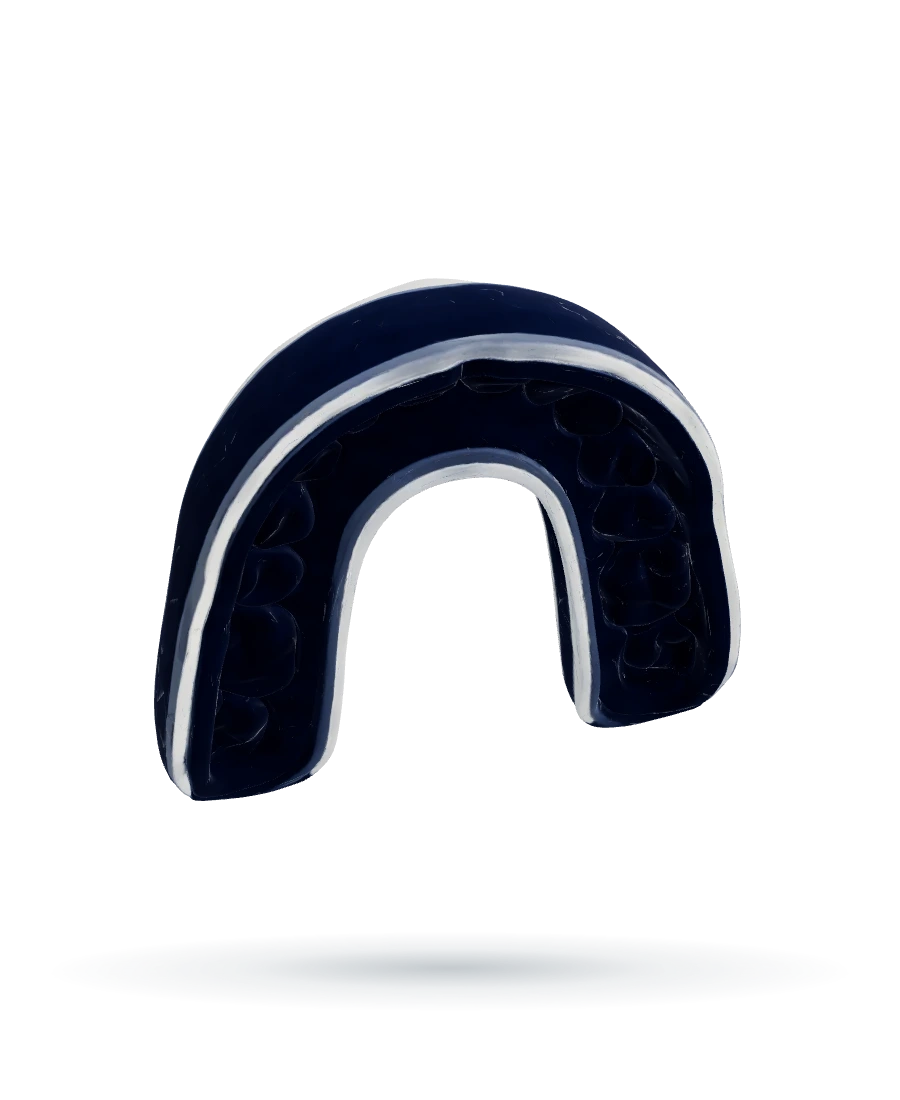
What it is
There are two main kinds of guard. A sports mouth guard is worn for contact sports and other activities where the face could be struck. It helps cushion a blow and can protect the teeth, lips and cheeks. A night guard, also called an occlusal guard or bite splint, is worn during sleep by people who clench or grind, so that the guard takes the wear instead of the teeth.
A guard from your dentist is made for your mouth. It may be made from a digital scan or an impression of your teeth. For a night guard, the way your teeth meet is recorded too. Your dentist checks the fit and your bite before you take it home, and can adjust the guard later if it needs it.
A night guard can help protect the teeth from the effects of grinding. It is not a cure for jaw joint (TMJ) problems or headaches, and it is not a treatment for sleep apnea. If you have jaw pain, headaches or loud snoring, tell your dentist. These can have other causes, and your dentist will explain what a guard can and cannot do for you.
Potential benefits
Protection during sport
A well-fitting sports guard can help cushion a blow to the mouth and lower the risk of chipped or knocked-out teeth and cuts to the lips and cheeks.
Less wear from grinding
A night guard puts a layer between the upper and lower teeth, which can help protect them from the wear and chipping that grinding causes over time.
Protects dental work
Crowns, veneers and implant crowns can chip under heavy biting forces. Your dentist may suggest a night guard to help protect them.
Shaped to your teeth
Because it is made from a record of your own teeth, a fitted guard is often more comfortable to wear than one that is not made for you.
Who may be a candidate
A guard is suggested after your dentist has looked at your teeth, your bite and, for a sports guard, the activity. These are common reasons people ask.
- You or your child play a contact sport, or one with a risk of falls or flying balls.
- You wake with a sore or tired jaw, or someone has heard you grinding at night.
- Your dentist has noticed worn, flattened or chipped teeth that suggest clenching or grinding.
- You have crowns, veneers or implants that your dentist would like to protect from grinding forces.
- You have jaw pain, clicking, headaches or loud snoring. Tell us, because these can have other causes that need to be looked at.
What treatment typically involves
Most guards follow the same sequence, from the first look at your teeth to wearing the guard at home.
Exam and conversation
Your dentist checks your teeth, gums, bite and jaw, looks for signs of wear, and asks about your sport or your sleep.
Scan or impression
A record of your teeth is taken with a digital scan or an impression. For a night guard, the way your teeth meet is recorded too.
Making the guard
Your guard is made to fit the record of your teeth. Your dentist will tell you when it is likely to be ready.
Fitting
You try the guard in. Your dentist checks the fit and your bite, adjusts it where needed, and shows you how to put it in, take it out and clean it.
Getting used to it
A new guard can feel bulky at first, and a night guard may cause extra saliva for the first few nights. For many people this settles.
Regular checks
Bring your guard to your checkups so its fit and wear can be checked. A guard that is cracked, worn thin or loose may need to be adjusted or replaced.
What affects the cost
We do not publish a price for mouth guards and night guards, because an honest figure depends on your own mouth. These are the things it depends on.
- Whether you need a sports guard, a night guard, or both.
- The type of guard and the material it is made from.
- Whether an exam, X-rays or other treatment are needed first.
- Whether an existing guard is being adjusted or replaced.
- What your dental insurance covers.
Questions to bring to your consultation
- Do I need a sports guard, a night guard, or both?
- What signs of grinding or clenching can you see on my teeth?
- Would a hard or a soft night guard suit me, and should it go on the upper or lower teeth?
- Will the guard be made from a digital scan or an impression, and how many visits will it take?
- Should I see my physician about my jaw pain, headaches or snoring?
- What will this cost, and what might my insurance cover?
Common questions
How is a custom guard different from one bought in a store?
A store-bought guard is either ready-made or softened in hot water and shaped by biting into it. A guard from your dentist is made from a record of your own teeth, so it often fits more closely and stays in place, and it can be easier to talk and breathe in. Your dentist can also check its fit and your bite.
Will a night guard stop me grinding my teeth?
A night guard is not designed to stop grinding. It places a layer between your teeth, so the guard takes the wear instead of your teeth and dental work. If your grinding seems linked to stress, sleep or your bite, your dentist may talk with you about these too.
Can a night guard help with jaw pain or headaches?
A night guard is not a cure for jaw joint (TMJ) problems or headaches. Jaw pain and headaches can have several causes, so tell your dentist about them. Your dentist will examine your jaw and explain whether a guard is part of the plan, and whether you should also see your physician.
Is a night guard the same as a device for sleep apnea?
No. A night guard for grinding is not a treatment for sleep apnea. Appliances for sleep apnea are a different kind of device and are usually fitted only after a diagnosis by a physician. If you snore loudly, wake up gasping or someone has noticed pauses in your breathing, talk to your physician.
How do I look after my guard?
Rinse it after each use and brush it gently. Keep it dry in a vented case, away from heat such as hot water, a dishwasher or a car in the sun, which can change its shape. Bring it to your checkups, and keep it away from pets.
Can children wear a sports mouth guard?
Yes. Children who play contact sports can wear a mouth guard. Because their teeth and jaws are still growing and changing, a child’s guard may need to be checked and replaced more often than an adult’s. Your dentist can tell you when a new one is needed.
Related care
- General DentistryExams, cleanings and preventive care that help find and treat dental problems while they are still small.
- Children’s DentistryCheckups, cleanings, fluoride, sealants and fillings for children, with time to help each child feel at ease.
- Dental CrownsA custom cap that covers a damaged or weakened tooth to restore its shape and strength.
- Porcelain VeneersThin porcelain shells bonded to the front of teeth to change their color, shape or spacing.
Further reading
All journal articles- How to Choose a Dentist in VenturaA checklist for choosing a dentist in Ventura: licensing, range of care, how options are explained, practical matters, emergencies and reviews.
- Early Signs of Gum DiseaseBleeding, red or puffy gums and lasting bad breath can be early signs of gum disease. Learn what to look for, who is at risk and when to see a dentist.
- What Happens at a Dental Exam and CleaningA step-by-step look at a routine dental exam and cleaning: health history, the examination, X-rays, the cleaning itself and the questions worth asking.
- Deep Cleaning vs Regular CleaningA regular cleaning maintains healthy gums. A deep cleaning treats gum disease below the gumline. See how they differ and how a dentist decides between them.
- Dry Mouth and Your TeethDry mouth raises the risk of cavities and gum problems because saliva protects teeth. Learn the causes, the signs to watch for and what helps day to day.
- Gum Health and the Rest of Your BodyResearchers have observed links between gum disease and conditions such as diabetes and heart disease. Here is what is known, what is not and what to do.
Talk it through with a dentist.
Tell us what you would like to talk about and we will reply within one business day to arrange a time.